
Death Records Memphis TN provide vital information for families, researchers, and legal professionals seeking official documentation of deaths in Shelby and Davidson Counties. These records include certified death certificates, historical indexes, newspaper notices, cemetery interments, and obituary listings. Access spans government offices, state archives, online databases, and local funeral homes. Whether verifying a family lineage, settling an estate, or conducting academic research, Memphis death records offer reliable, publicly available data. This page compiles every major source, explains how to request documents, outlines eligibility rules, and highlights free versus paid options. All links point directly to official or trusted third-party sites with active, up-to-date records.
Official Sources for Death Records Memphis TN
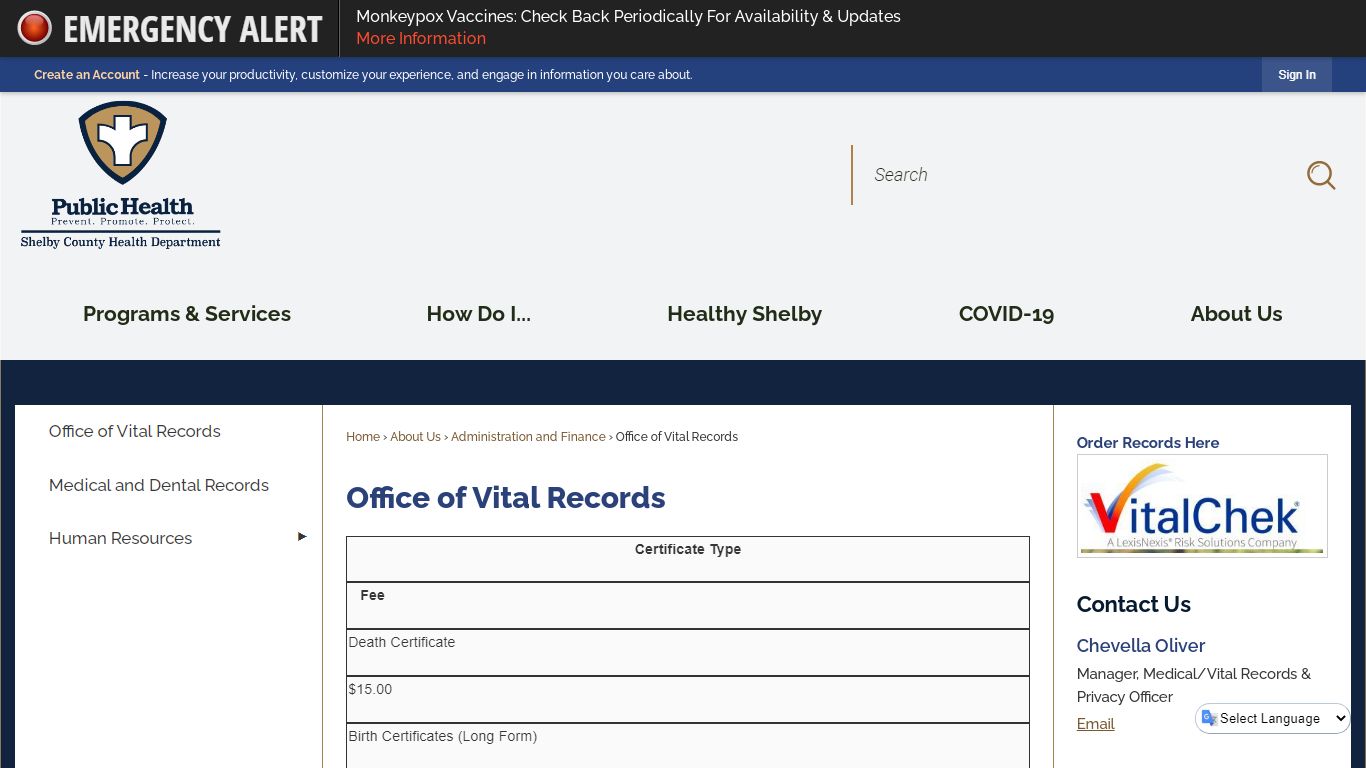
The primary authority for recent death records in Memphis is the Shelby County Office of Vital Records, part of the Shelby County Health Department. This office issues certified copies of death certificates for anyone who died within county boundaries after 1955. For deaths before 1955, the original files are held by the Shelby County Clerk’s Office at 150 Washington Avenue, Memphis, TN 38103. Requests require valid government-issued photo identification and proof of relationship—such as a birth or marriage certificate—for spouses or children. Processing fees apply, and turnaround times vary based on request volume.
For historical research, the Tennessee State Library and Archives hosts a searchable collection covering Davidson County deaths from 1900 through 1913, with 6,330 entries. Users can filter by name, exact date of death, or residential address. The same portal includes 32,535 digitized death notices from Nashville newspapers between 1855 and 1907. These are searchable by newspaper title, headline, or family surname. Additionally, Mt. Olivet Cemetery records list 16,512 burials with plot locations, burial dates, and next-of-kin details. A dedicated 1913 Nashville obituary index contains 1,031 notices linked to original clippings.

How to Request Certified Death Certificates in Memphis
To obtain a certified death certificate in Memphis, start by determining which office holds the record. If the death occurred after 1955, contact the Shelby County Office of Vital Records online or in person. Their website provides forms, fee schedules, and required documents. Only immediate family members—spouses, children, parents, or legal representatives—can request certified copies. You must submit a copy of your driver’s license, passport, or state ID, plus proof of relationship. Mail-in requests should include a completed application, payment, and self-addressed stamped envelope.
For deaths before 1955, visit the Shelby County Clerk’s Office at 150 Washington Avenue. These older records are not digitized and may require an in-person visit or written request. Staff can perform a single-year search if you provide the decedent’s full name, exact date of death, city of residence, and spouse’s name (if known). There is a small fee for this service, and results typically arrive within 7–10 business days. The Tennessee Library and Archives also holds limited early Memphis death records that are indexed for public use.
Free Online Death Record Databases for Memphis
Several free online resources allow users to search Memphis death records without cost. The Tennessee State Library and Archives offers a public portal with indexed death records from 1900–1913 and newspaper notices from 1855–1907. No registration is required, and searches can be narrowed by name, date, or location. FamilySearch.org provides another free option, hosting microfilm collections of Tennessee death records from 1848 to 1908 for cities including Memphis. These can be viewed at partner libraries or requested through interlibrary loan.
Legacy.com aggregates recent Memphis obituaries, listing over 15,000 entries from the past year. Each entry includes the decedent’s name, age, residence, and a brief biography. Users can view original newspaper clippings and leave condolence messages. Echovita.com hosts 17,416 Memphis obituaries with funeral details, visitation hours, and burial sites. Both platforms update daily and allow sorting by date or keyword. While these are not official certificates, they often lead to contact information for funeral homes or next of kin.
Paid vs. Free Death Record Services in Tennessee
Free death record searches are ideal for preliminary research, but only certified copies hold legal weight. Free databases like those from the Tennessee State Library or FamilySearch offer indexes and scans but do not issue official documents. For legal purposes—such as probate, insurance claims, or inheritance—you must obtain a certified death certificate from a government office. Paid services like Ancestry.com provide digitized death certificates from 1908–1965 (excluding 1913) for a subscription fee. These are convenient but not necessary if you can visit a county office in person.
Shelby County’s Register of Deeds maintains an indexed death record series from 1949 to 2014. This database is free to search online and includes names, dates, and certificate numbers. However, downloading a PDF or receiving a certified copy still requires a formal request and payment. Always verify whether a service charges hidden fees or requires unnecessary personal information. Official county and state sites never ask for Social Security numbers or bank details beyond standard payment processing.
Historical Death Records and Cemetery Data
Researchers interested in 19th-century Memphis deaths should explore newspaper archives and cemetery records. The Tennessee State Library and Archives’ digitized death notices from 1855–1907 cover major Nashville papers that often reported on Memphis residents. These notices include names, ages, causes of death, and funeral arrangements. Mt. Olivet Cemetery’s interment database lists 16,512 burials with precise plot locations and next-of-kin names, useful for genealogical mapping.
For unindexed early records, the Library and Archives staff can conduct a one-year search if provided with full name, exact death date, city, and spouse’s name. This service is especially valuable for pre-1900 cases where systematic registration did not exist. Shelby County began formal death registration in 1908, so records before that rely heavily on church logs, newspapers, and cemetery books. Many of these have been preserved and are accessible through local historical societies.
Understanding Eligibility and Privacy Laws
Tennessee law restricts access to certified death certificates to protect privacy. Only immediate family members or legal representatives may obtain them. Spouses, children, parents, siblings, and attorneys with proper documentation are eligible. Third parties must prove legal interest, such as involvement in an estate settlement. Uncertified copies or redacted versions may be available for historical research, but these cannot be used for legal purposes.
Death records become public after 50 years in Tennessee. This means records from 1974 and earlier are generally open to anyone. However, some counties impose additional restrictions. Always check with the issuing office before submitting a request. The Shelby County Health Department clearly states its eligibility criteria online, and staff will reject incomplete or unauthorized applications.
Using Obituaries to Locate Death Records
Obituaries are a practical starting point for finding death records. They often include the date and place of death, funeral home name, and surviving relatives. Memphis newspapers publish obituaries daily, and platforms like Legacy.com and Echovita.com archive them indefinitely. Searching by name or date can reveal when and where a death was reported, which helps narrow down the correct county office or certificate number.
Funeral homes in Memphis routinely submit obituaries to local papers and online memorial sites. Contacting the listed funeral home directly may yield faster access to death certificate information, especially if the family has already obtained certified copies. Some funeral homes keep copies on file for a limited time and can guide you through the request process.
Common Challenges and How to Solve Them
One frequent issue is misspelled names in historical records. Census takers, clerks, and newspaper reporters often recorded names phonetically. Try searching with alternate spellings or partial names. Another challenge is missing dates. If you don’t know the exact death date, use approximate years and broaden your search range. For deaths before 1908, focus on newspapers, church records, and cemetery logs instead of official certificates.
Delays in processing are common during peak periods, such as holidays or flu season. To avoid frustration, submit requests early and follow up politely. Keep copies of all correspondence and receipts. If a record cannot be found, ask staff about alternative sources, such as coroner’s reports or burial permits, which may contain similar information.
Additional Resources for Memphis Death Records
Beyond government offices, several organizations support death record research. The Memphis Public Library offers access to historical newspapers on microfilm. Local genealogical societies host workshops and maintain private collections. The Tennessee Genealogical Society publishes guides specific to Shelby County research. Online forums like Reddit’s r/Genealogy often have members familiar with Memphis-specific challenges.
For legal disputes or complex cases, consider hiring a professional researcher licensed in Tennessee. These experts know how to navigate bureaucratic hurdles and access restricted files. Always verify credentials and request references before paying for services.
Frequently Asked Questions About Memphis Death Records
Who can request a death certificate in Memphis?
Only immediate family members—spouses, children, parents, or legal representatives—can obtain certified death certificates. You must provide a government-issued photo ID and proof of relationship, such as a birth or marriage certificate. Third parties need documented legal interest.
How far back do Memphis death records go?
Shelby County began systematic death registration in 1908. Earlier records exist but are scattered across newspapers, church logs, and cemetery books. The Tennessee State Library holds indexed records from 1900–1913 and newspaper notices from 1855–1907.
Are death records free in Tennessee?
Index searches are often free online, but certified copies require a fee—typically $15–$25 per copy. Some historical indexes are free; others, like Ancestry.com, require a paid subscription. Always check the source before assuming cost.
Can I get a death record by mail?
Yes. The Shelby County Office of Vital Records accepts mailed requests with a completed form, payment, ID copy, and proof of relationship. Include a self-addressed stamped envelope for return delivery.
What if I don’t know the exact death date?
Use approximate years and broaden your search. For unindexed records, the Tennessee Library and Archives can perform a single-year search if you provide the full name, city, and spouse’s name.
Do obituaries count as official death records?
No. Obituaries are informative but not legally valid. Use them to locate the funeral home or next of kin, then request a certified certificate from the county.
How long does it take to get a death certificate?
Processing times vary. In-person requests may be fulfilled the same day. Mail-in requests typically take 7–14 business days. Rush services are available for an extra fee.
Contact Information and Office Hours
Shelby County Office of Vital Records
Location: Shelby County Health Department, Memphis, TN
Phone: 901-222-8100
Website: http://www.shelbytnhealth.com/285/Office-of-Vital-Records
Hours: Monday–Friday, 8:00 AM–4:30 PM
Shelby County Clerk’s Office (Pre-1955 Records)
Address: 150 Washington Avenue, Memphis, TN 38103
Phone: 901-545-4000
Hours: Monday–Friday, 8:00 AM–5:00 PM
Tennessee State Library and Archives
Website: https://tslaindexes.tn.gov/death-records-search
Research Assistance: Available by appointment